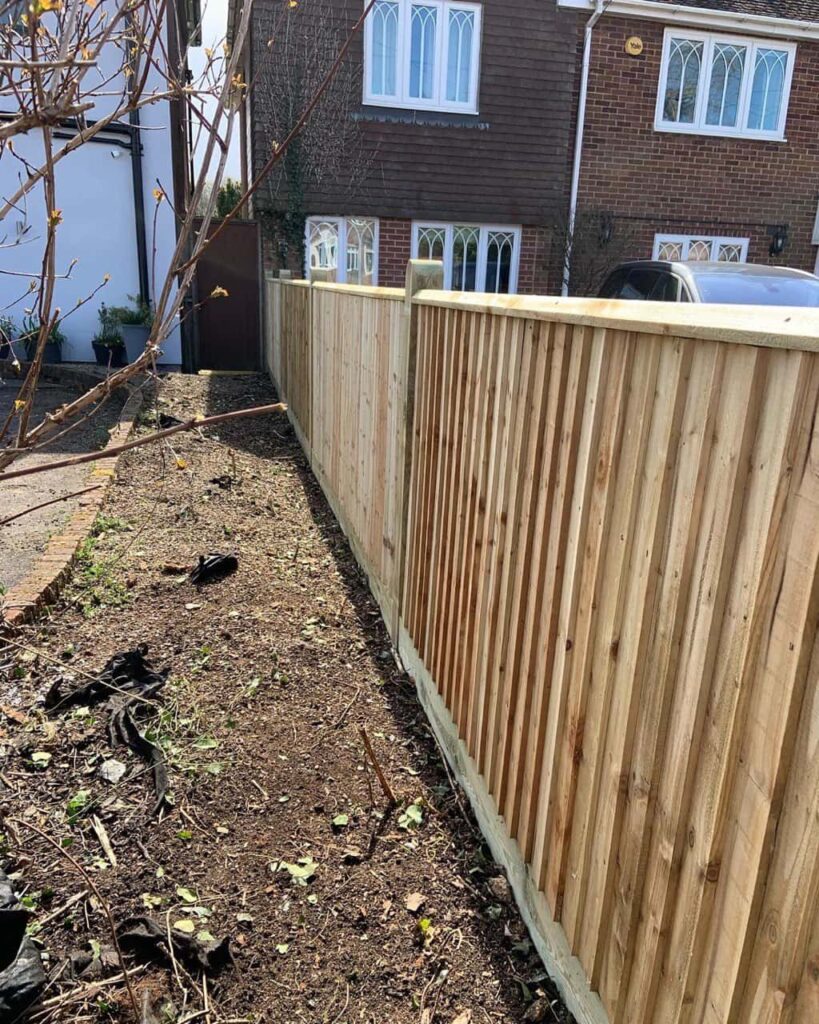
Five Common Stock Fencing Problems and How Professional Installation Can Address Them
Stock fencing is a practical way to mark boundaries and help contain livestock, but it needs to suit the ground, the animals and the demands placed on it. A fence that is poorly planned or installed may sag, develop gaps or become unstable. In Tunbridge Wells, Kent, careful installation can help prevent these problems and keep a stock fence working as intended.
Common stock fencing problems
1. The fence sags between posts
Wire can lose tension over time, particularly when it spans long distances or the posts are too far apart. Sagging may weaken the barrier and leave space for animals to push through or become caught.
Professional installation includes planning post spacing for the type of fencing and the ground conditions. Correctly tensioned wire and securely set posts help the fence maintain its shape.
2. Posts become loose or lean
Posts may shift when they are not set firmly enough, or when the ground is uneven or prone to becoming soft. Once a post leans, it can pull the attached wire out of line and place extra strain on neighbouring sections.
A fencing contractor can assess the route and ground before installation, then choose suitable post positions and secure them appropriately. Bracing at corners and changes in direction can also help the fence withstand tension.
3. Gaps appear beneath the fence
Uneven ground can leave openings under the wire, while poorly planned changes in level may create weak points along the boundary. Depending on the animals, these gaps may make the fence ineffective.
A site assessment helps identify dips and variations in the ground. The fence can then be set out to follow the terrain more consistently, with the bottom wire positioned to suit the intended use.
4. The fence does not suit the livestock
Stock fencing needs to be appropriate for the animals it is intended to contain. Wire spacing or fence height that works for one situation may not provide a suitable barrier for another.
Before installation, discuss the type of livestock, the boundary’s purpose and any access requirements with your fencing contractor. This helps determine a practical layout and specification for the site.
5. Gates and corners become weak points
Gates, corners and junctions often experience more movement and tension than straight sections. If they are not planned and supported properly, posts may move and the wire may loosen nearby.
Professional installers can position and brace these parts of the fence carefully, while making sure gates are aligned and practical to use. Addressing these details during installation helps the whole boundary function as a connected system.
Why professional installation matters
A reliable stock fence depends on more than the wire itself. The route, post spacing, tension, ground levels and access points all affect how well it performs. A professional assessment can help identify potential weak spots before work begins and match the installation to the site’s requirements.
For property owners in Tunbridge Wells, Kent, Fast Fix Fencing Tunbridge Wells can help plan and install stock fencing with attention to these practical details. If you are considering a new fence or replacing a problem section, contact the team to discuss your requirements.
Conclusion
Sagging wire, unstable posts, ground-level gaps, unsuitable specifications and weak corners can all reduce the effectiveness of stock fencing. Careful planning and professional installation help address these issues from the outset. Fast Fix Fencing Tunbridge Wells can advise on a stock fencing solution suited to your property in Tunbridge Wells, Kent.
Call us on: 01892 362 993
Click here to find out more about Fast Fix Fencing Tunbridge Wells
Click here to complete our contact form and see how we can help with your fencing needs.